HYUNDAI 25212-2G710 Serpentine Belt
fits make: Hyundai. year: 2011–2014.
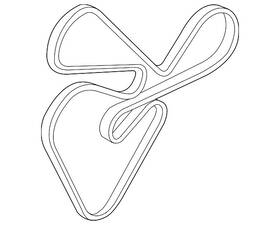
( Manufacturer Part Number: 25212-2G710 ), ( Part Type: Belt ), ( Genuine Oem: Yes ), ( Warranty: 1 Year ), ( Fitment Type: Direct Replacement ), ( Year: 2011 2012 2013 2014 ), ( Parts Included: Only Part Reference 1 On The Diagram Is Included )
Review HYUNDAI Genuine Serpentine Belt fits 2011–2014
The Hyundai 25212-2G710 Serpentine Belt is an essential component of your Hyundai vehicle's engine cooling and accessory drive system. This replacement serpentine belt is designed to fit specific Hyundai models, ensuring a perfect fit and optimal performance.
The belt is made of high-quality rubber material, ensuring durability and resistance to wear and tear. It features an aggressive rib design that provides superior grip on the pulleys, ensuring a reliable and secure connection. The ribs also help to evenly distribute the tension across the belt's length, reducing the risk of slippage and prolonging the belt's life.
This serpentine belt drives multiple accessories in your Hyundai vehicle, including the alternator, power steering pump, air conditioning compressor, and water pump. By replacing a worn or damaged serpentine belt, you can prevent potential engine damage and ensure the proper functioning of these essential accessories.
The Hyundai 25212-2G710 Serpentine Belt comes in a pack of one, making it an ideal replacement for a damaged or worn-out belt. It is recommended to replace the serpentine belt during routine maintenance or when it shows signs of wear, such as cracks, glazing, or excessive tension.
Installing the new serpentine belt is a relatively simple task that can be done at home with basic hand tools. However, if you are not confident in your ability to perform the installation, it is recommended to have it done by a professional mechanic to ensure proper installation and avoid any potential complications.
In summary, the Hyundai 25212-2G710 Serpentine Belt is a critical component of your Hyundai vehicle's engine cooling and accessory drive system. It is designed to provide superior grip, durability, and even tension distribution, ensuring reliable and efficient performance. By replacing a worn or damaged belt with this high-quality replacement, you can prevent potential engine damage and ensure the proper functioning of essential accessories.
Buying a Hyundai 25212-2g710 serpentine belt is an essential maintenance task for Hyundai vehicle owners. This part is crucial for the proper functioning of various engine accessories, including the air conditioning system, power steering, and alternator. Here are some pros and cons of purchasing this belt from the dealership or an aftermarket supplier.
Pros of Buying from a Dealership:1. Genuine Part: A dealership provides a genuine Hyundai replacement belt that is designed to meet the original equipment manufacturer (OEM) specifications. This ensures a perfect fit and optimal performance.
2. Warranty: Dealerships often offer warranties on their parts, providing peace of mind and protection against potential defects or malfunctions.
3. Convenience: Purchasing the belt from a dealership eliminates the need for researching suitable aftermarket alternatives and saves time by having it installed during a service appointment.
Cons of Buying from a Dealership:1. Cost: Dealership parts can be more expensive than aftermarket options due to the added overhead costs, including labor and dealership markups.
2. Limited Availability: Dealerships may not always have the belt in stock, forcing customers to wait for the part to arrive or schedule a return visit.
Pros of Buying from an Aftermarket Supplier:1. Cost-Effective: Aftermarket belts are typically more affordable than their dealership counterparts, making them an attractive option for budget-conscious consumers.
2. Variety: Aftermarket suppliers offer a wider range of options, including various brands and belt types, allowing customers to choose the best fit for their vehicle and driving style.
3. Availability: Aftermarket suppliers often have a larger inventory of parts, ensuring quick availability and reducing the need for lengthy wait times.
Cons of Buying from an Aftermarket Supplier:1. Quality Concerns: Not all aftermarket belts are created equal, and some may not meet the same quality standards as OEM parts. It is essential to research and choose a reputable supplier to ensure a suitable replacement.
2. Installation: Customers may need to install the belt themselves or pay for labor costs at a local mechanic, adding to the overall cost and time investment.
Conclusion:Both dealership and aftermarket options have their advantages and disadvantages. If budget is not a concern, and the convenience of a genuine OEM part and warranty is a priority, purchasing from a dealership may be the best choice. However, for cost-conscious consumers looking for a functional, high-quality aftermarket alternative, researching reputable suppliers and comparing prices can lead to substantial savings. Ultimately, the decision depends on individual preferences, priorities, and circumstances.
Details:
Electrical parts are not returnable. Shipping Carrier substitutions may be made at our determination in an attempt to reduce shipping cost the customer. Parts must be resalable and in the original packaging.
part #: 252122g710 prices
- $22.69-$75.00
specifications bepubrac:
- for makes: Hyundai
- for years: 2011-2014
- mpn: 25212-2g710
- part type: Belt
- genuine oem: Yes
- warranty: 1 Year
- fitment type: Direct Replacement
- year: 2011 2012 2013 2014
- parts included: Only Part Reference 1 On The Diagram Is Included
general bepubrac:
- condition: New
- Car Truck Parts Accessories > Accessory Belts > Belts
returns bepubrac:
- policy: Returns Accepted
- time: 30 Days
- paid by: Buyer
payments bepubrac:
- credit card: Mastercard
- wallet: Apple-pay
- other
shipping bepubrac:
- type: Fixed
- service: Standard, Expedited, Overnight
- transit: 5-10 Days
- class: Standard, Expedited, One-day
- cost: $21.62
seller bepubrac:
- rating: 100.0%
- city: Florence, South Carolina
- # reviews: 37
offer bepubrac:
- availability: In Stock
- sold: 0
- quantity: 2
- options: Ship-to-home
- started: April 12, 2025
Hyundai 25212-2G710 Is Similar To:
- 2161037106 Hyundai New Genuine Lower Engine Support Mount Bracket Oem For (43.1% similar) Item inside is brand new. New in torn box. Part number must match yours...(May 22nd, 2018)
- 23129-3f000 Hyundai Genuine Oem Tensioner (52.4% similar) 5L, 23129 3F0 new. Shipping is free in the us...(November 13th, 2017)
- 25212-38001 Hyundai New Oem Engine Drive Fan Belt For Sonata (42.7% similar) Fitment usually does not take into account build dates, model change overs or trim levels. Fitment usually does not take into account build dates, model change overs or trim levels original best offers fast SHIPPING25212 new hyundai oem v-ribbed engine drive fan belt for sonata is a guide only. ...(September 8th, 2018)
- 25212-3f501 Gates Kia Hyundai Serpentine (43.4% similar) Gates 3F501 serpentine belt...(November 28th, 2017)
- 2521223721 Hyundai Oem Drive Fan Belt (45% similar) Superseded part numbers this item may have been from a different number manufacture. This part fits vehicles made in the following years 2007 , 2008 , 2009 , 2010 , 2011 , 2012...(January 25th, 2019)
- 252122g760 Hyundai New Genuine Serpentine Belt Oem For (66% similar) Be sure the part you are buying is correct for your application. Please through for any questions. Or any other minor issue that does not make the part you are buying defective. Once purchased you own it. If any manufacturer warranty exists, it is between you and them. They may have been in storage ...(May 15th, 2018)
- 252502c000 Hyundai Oem Genesis Coupe Belt Or Assembly (41.7% similar) Warranting warranty. Hyundai oem genesis coupe...(October 15th, 2018)
- 252522g000 Hyundai Oem Santa Fe Belt Or Bracket (42.2% similar) Warranting warranty...(January 27th, 2019)
- 252802g115 Hyundai Oem Santa Drive Fan Belt Tensioner (41.7% similar) Warranting warranty...(January 28th, 2019)
- 25281-37101 Hyundai Tucson Serpentine Belt Tensioner Oem (52.5% similar) Body sections cut from a vehicles. The installed heat tab is melted or removed. The part is installed on a vehicle outside USA. Special order items. Check with the dealer. Air bag: this bag must be installed and inspected by a factory trained certified technician engine oil filter are not replaced ...(June 18th, 2018)
- 25286-37100 Gates Drive Belt Idler Pulley For Hyundai Kia (18% similar) ...(November 6th, 2018)